
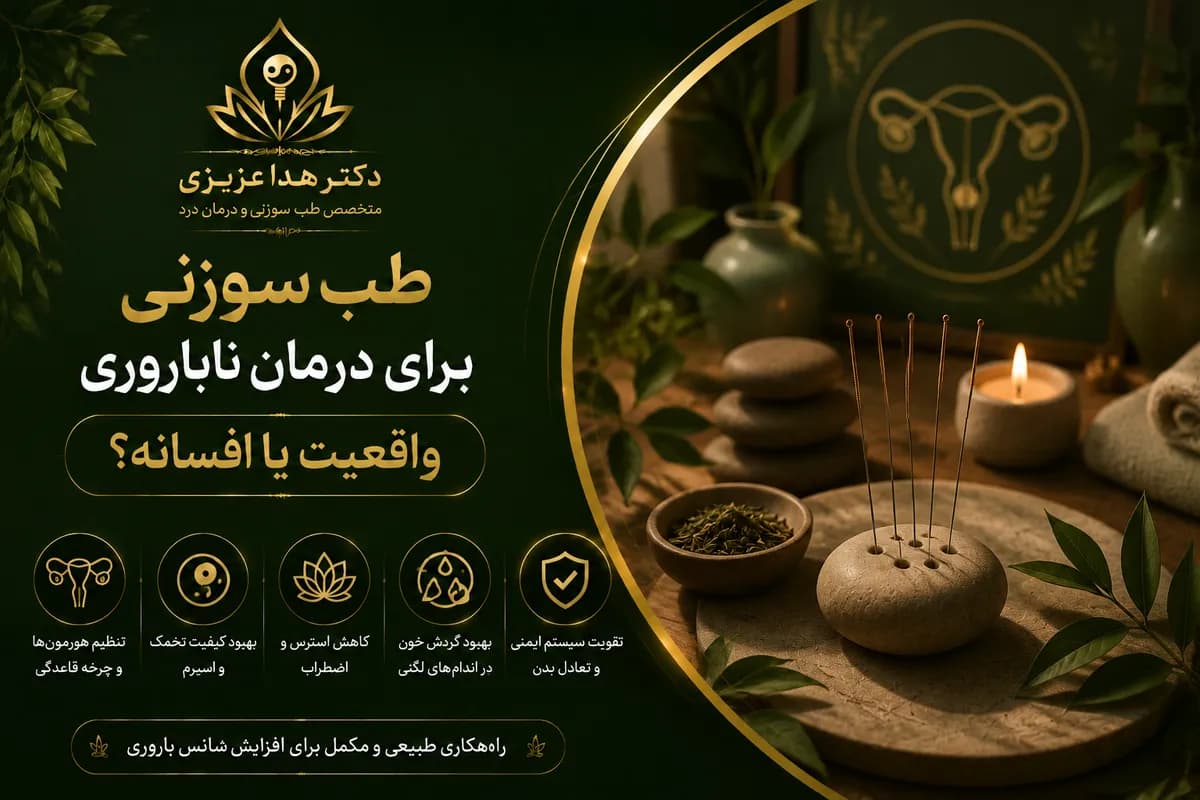
Acupuncture for Infertility Treatment-Reality or Myth?
Infertility is a challenge faced by many couples, and different approaches are explored to improve the chances of pregnancy. Acupuncture is a complementary therapy that has gained attention as a supportive option alongside specialized fertility treatments. Some studies suggest that acupuncture may help reduce stress, promote relaxation, support nervous system balance, and improve blood flow in the pelvic area, which may contribute positively during fertility treatment. Some individuals also use acupuncture alongside treatments such as IVF or fertility medications. However, acupuncture alone is not considered a definitive treatment for infertility and cannot replace specialized medical fertility care. Treatment success depends on many factors, including age, hormonal health, ovarian function, sperm quality, and the underlying cause of infertility. Many patients report that acupuncture helps them feel calmer, reduce treatment-related stress, and feel more supported throughout their fertility journey. The best results are achieved when acupuncture is used under professional guidance alongside appropriate medical treatments.
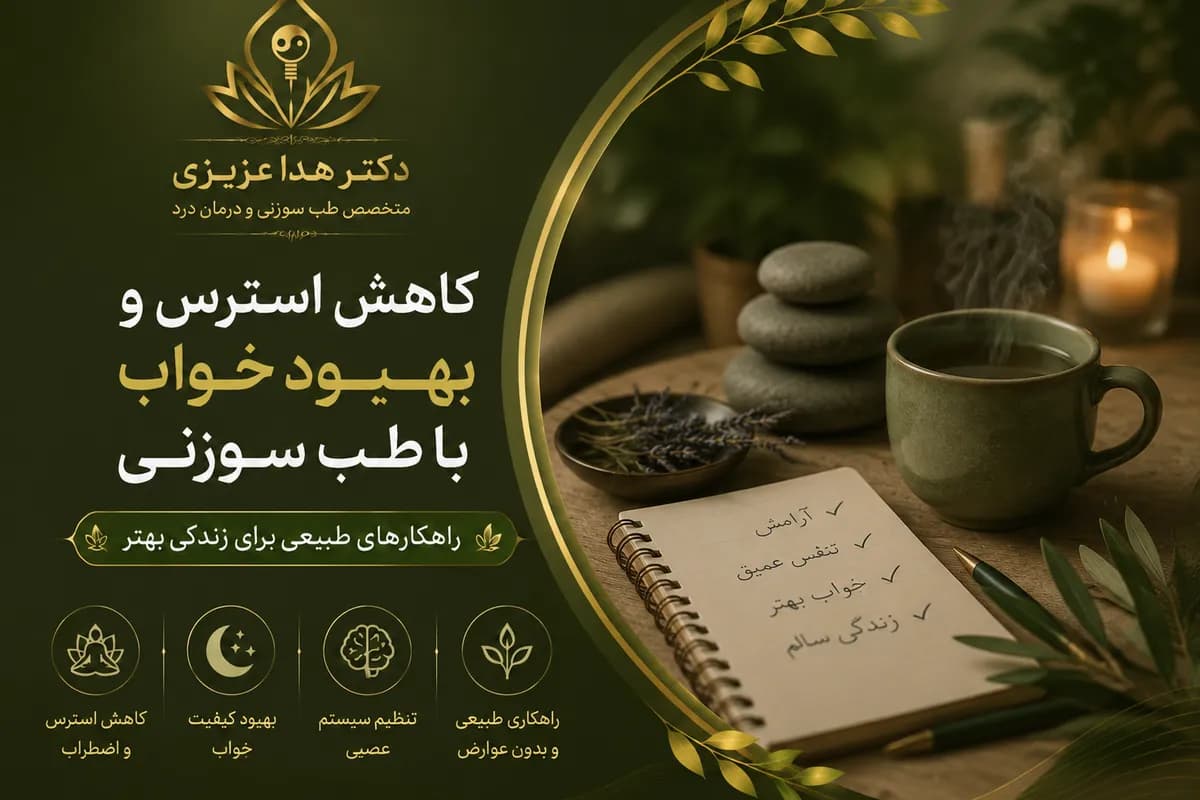
Reducing Stress and Improving Sleep with Acupuncture-Natural Solutions for a Better Life
Stress and poor sleep are common problems that can negatively affect physical health, mental well-being, concentration, daily energy, and overall quality of life. Acupuncture is a complementary therapy that some people use to support relaxation and improve sleep patterns. During acupuncture sessions, specific points on the body are stimulated using very fine needles. This stimulation may help regulate nervous system activity, reduce physical tension, and promote a greater sense of calm and relaxation. Some individuals report lower stress levels, improved mood, and deeper sleep after treatment sessions. Acupuncture may also support better quality of life by helping the body manage stress responses and maintain balance. Combining acupuncture with healthy lifestyle habits such as regular sleep schedules, proper nutrition, and physical activity may provide additional benefits. The effects of acupuncture vary from person to person, and professional evaluation is important to determine the most suitable approach for each individual.
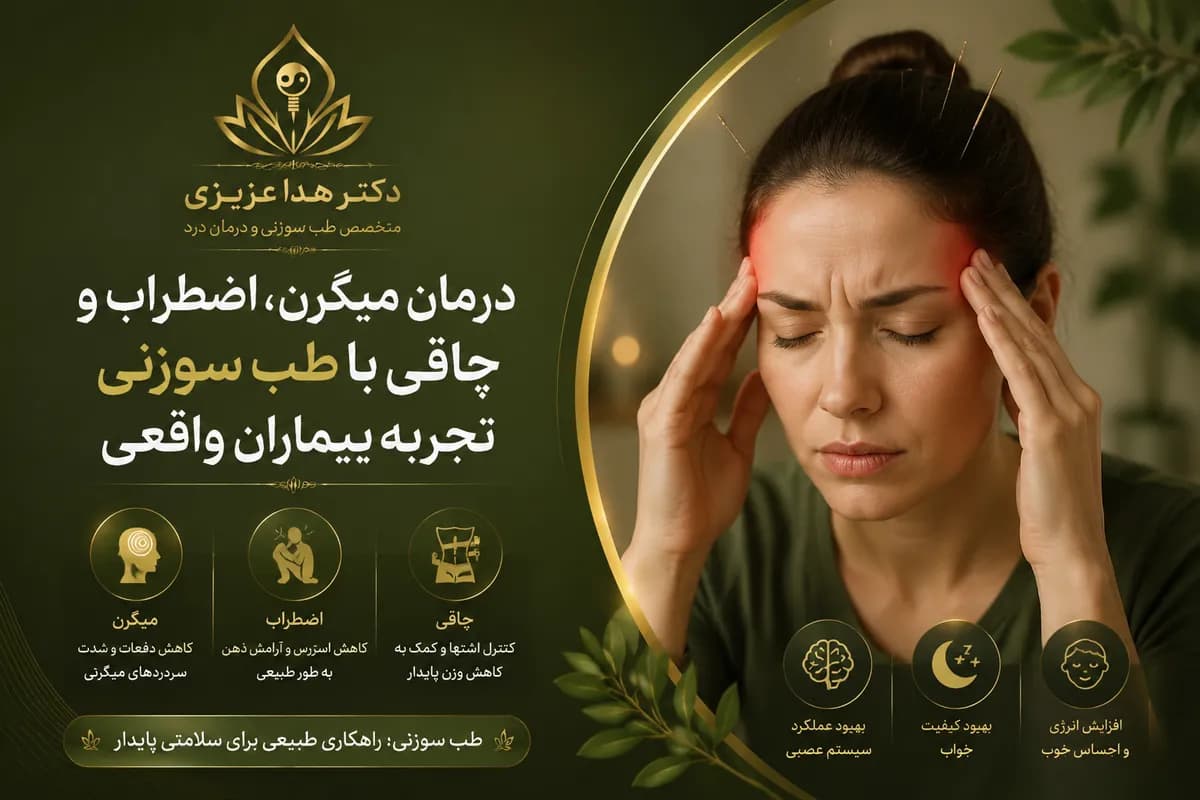
Treating Migraine, Anxiety, and Obesity with Acupuncture-Real Patient Experiences
Migraines, anxiety, and weight-related challenges can significantly affect daily life, energy levels, and emotional well-being. Acupuncture is a complementary therapy that some people use to support the management of these conditions. For migraine management, stimulating specific acupuncture points with fine needles may help regulate nervous system responses, reduce muscle tension, and support the reduction of headache intensity or frequency for some individuals. Regarding anxiety, acupuncture may promote relaxation, reduce stress levels, and support nervous system balance, helping some patients feel calmer and more comfortable. Some people also use acupuncture alongside healthy nutrition and physical activity as part of a weight management plan. It may support appetite control, reduce stress-related eating patterns, and encourage healthier lifestyle changes. Many patients report experiences such as fewer migraine episodes, improved relaxation, better sleep, and a greater sense of control over their lifestyle after acupuncture sessions. However, results vary between individuals and treatment should be based on professional evaluation and personal health needs.
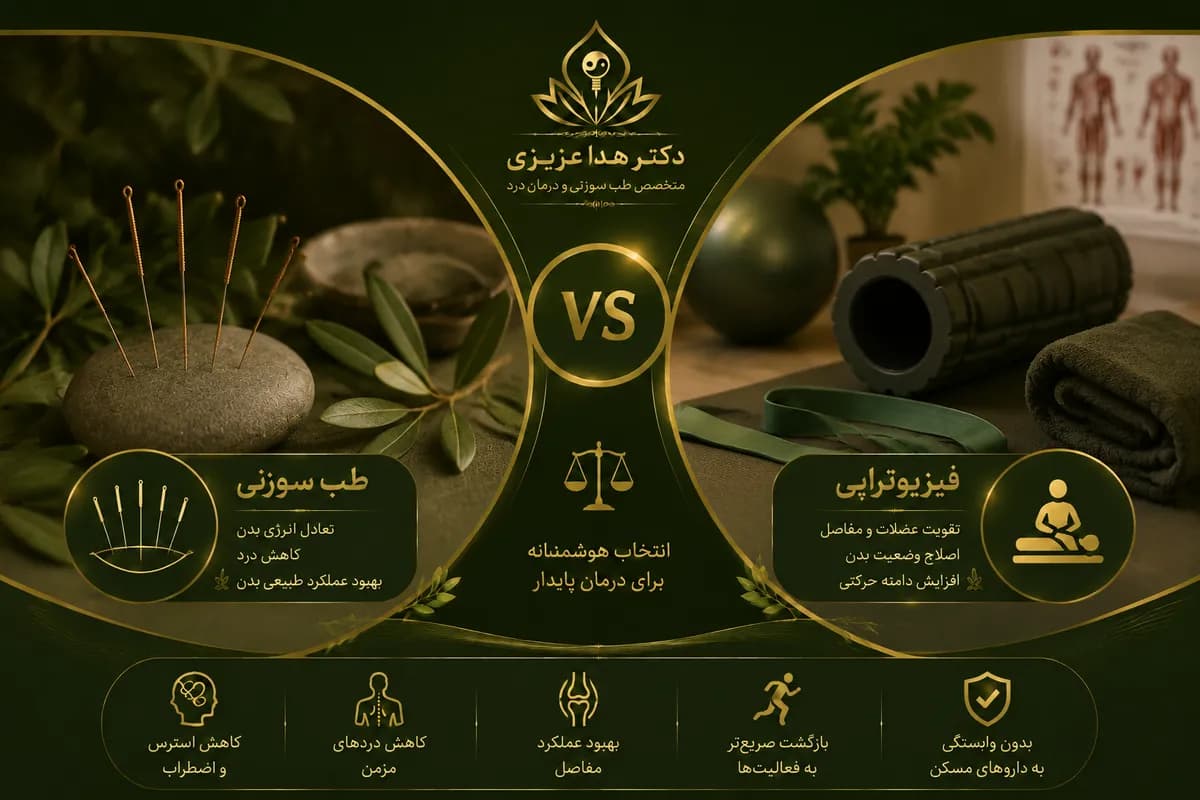
Comparison of Acupuncture and Physiotherapy for Treating Chronic Pain
Chronic pain conditions such as back pain, neck pain, joint discomfort, and muscle injuries can significantly affect daily life. Different treatment approaches, including acupuncture and physiotherapy, are used to help manage these conditions. Each method follows a different approach to reducing pain and improving body function. How Does Acupuncture Work? Acupuncture involves stimulating specific points on the body using very fine needles. It may help regulate nervous system responses, reduce muscle tension, and promote relaxation. Many people use acupuncture as a complementary approach for conditions such as migraines, chronic pain, stress, and muscle tightness. How Does Physiotherapy Work? Physiotherapy focuses on restoring movement, strengthening muscles, and improving physical function. Treatment methods may include therapeutic exercises, manual therapy, electrotherapy, and rehabilitation techniques designed to reduce pain and improve mobility. Which Method Is Better? The choice between acupuncture and physiotherapy depends on the cause of pain, the individual’s condition, and treatment goals. In many cases, combining both approaches may provide better support, as acupuncture may help with pain control while physiotherapy focuses on restoring strength and movement. A professional assessment can help determine the most suitable treatment approach for each person.

Benefits of Acupuncture for Stroke Rehabilitation and Motor Issues
Acupuncture can aid in improving motor functions and reducing complications caused by stroke. This traditional method stimulates specific points on the body, enhancing blood flow and assisting in nerve regeneration and muscle strengthening.
How Can Acupuncture Reduce Chronic Pain? Experience and Important Tips
يمكن للآلام المزمنة مثل آلام الظهر والرقبة والصداع النصفي وآلام المفاصل أن تؤثر بشكل كبير على جودة حياة الإنسان. ويُعد الوخز بالإبر من الطرق العلاجية التكميلية التي قد تساعد في تخفيف الألم من خلال تحفيز نقاط محددة في الجسم. خلال جلسات الوخز بالإبر، يتم إدخال إبر دقيقة جدًا في مناطق معينة بهدف تحفيز الجهاز العصبي. وقد يساهم ذلك في إفراز مواد طبيعية مثل الإندورفين، والتي تلعب دورًا في تقليل الإحساس بالألم وتعزيز الشعور بالراحة. كما يمكن أن يساعد في تقليل توتر العضلات وتحسين الدورة الدموية في المناطق المتأثرة. يلاحظ بعض المرضى بعد جلسات الوخز بالإبر تحسنًا في شدة الألم، وجودة النوم، والقدرة على ممارسة الأنشطة اليومية. ومع ذلك، يجب اختيار هذا العلاج وفق تقييم المختص للحصول على أفضل النتائج.
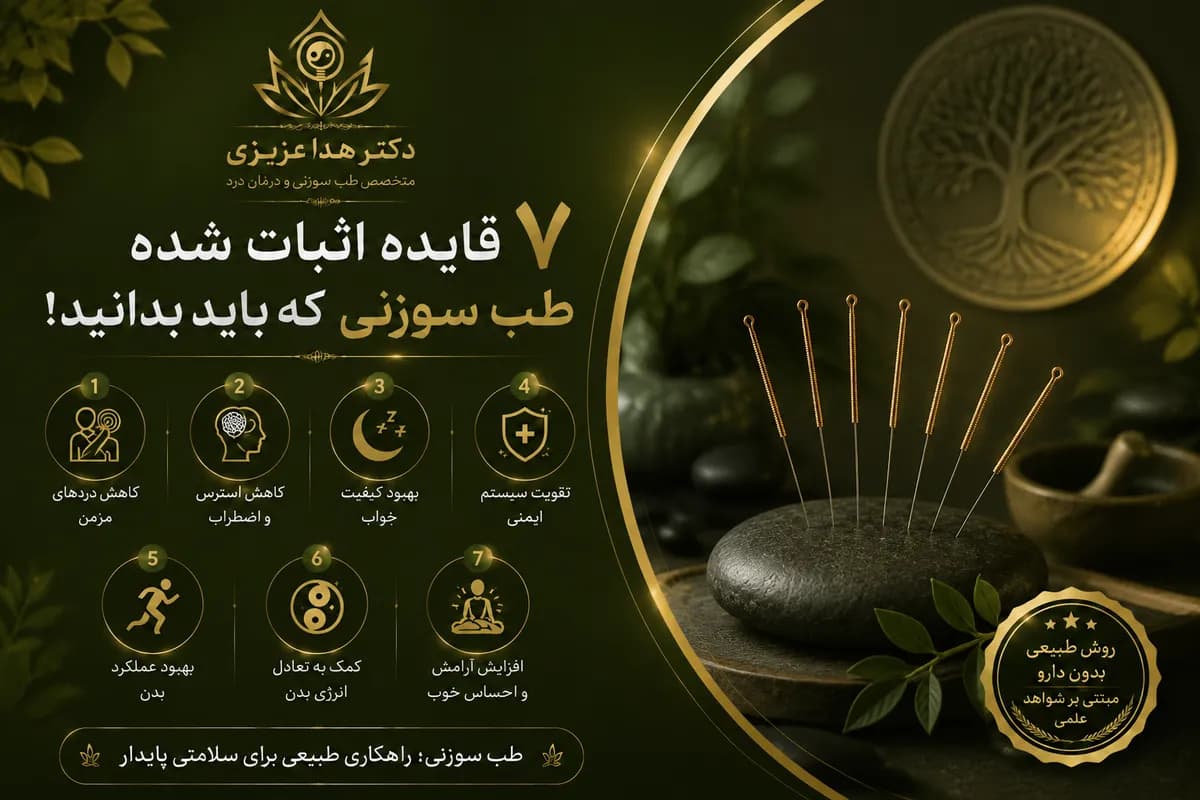
Proven Benefits of Acupuncture You Should Know
Acupuncture is a complementary therapy that has been used for centuries to support the body’s balance and improve various health conditions. Today, many studies explore its role in pain management, relaxation, and improving overall quality of life. 1. Reducing Chronic Pain Acupuncture may help reduce chronic pain conditions such as back pain, neck pain, joint discomfort, and migraines. It is often used as a complementary approach for pain management. 2. Lowering Stress and Anxiety Stimulating specific acupuncture points may help calm the nervous system, reduce tension, and promote relaxation. 3. Improving Sleep Quality Some people experience better sleep patterns and reduced insomnia symptoms after acupuncture sessions. 4. Relieving Muscle Tension and Spasms Acupuncture may support muscle relaxation by influencing nerve activity and reducing excessive muscle tension. 5. Supporting Migraine and Headache Management For some individuals, acupuncture may help reduce the frequency and intensity of migraine and recurring headache episodes. 6. Improving Body Function and Energy Levels By supporting nervous system regulation and reducing physical tension, acupuncture may contribute to better daily function and well-being. 7. Supporting Rehabilitation and Recovery Acupuncture can be combined with physiotherapy and other treatments to support recovery, improve mobility, and manage pain. For the best results, acupuncture should be selected according to each person’s condition and performed under professional guidance.