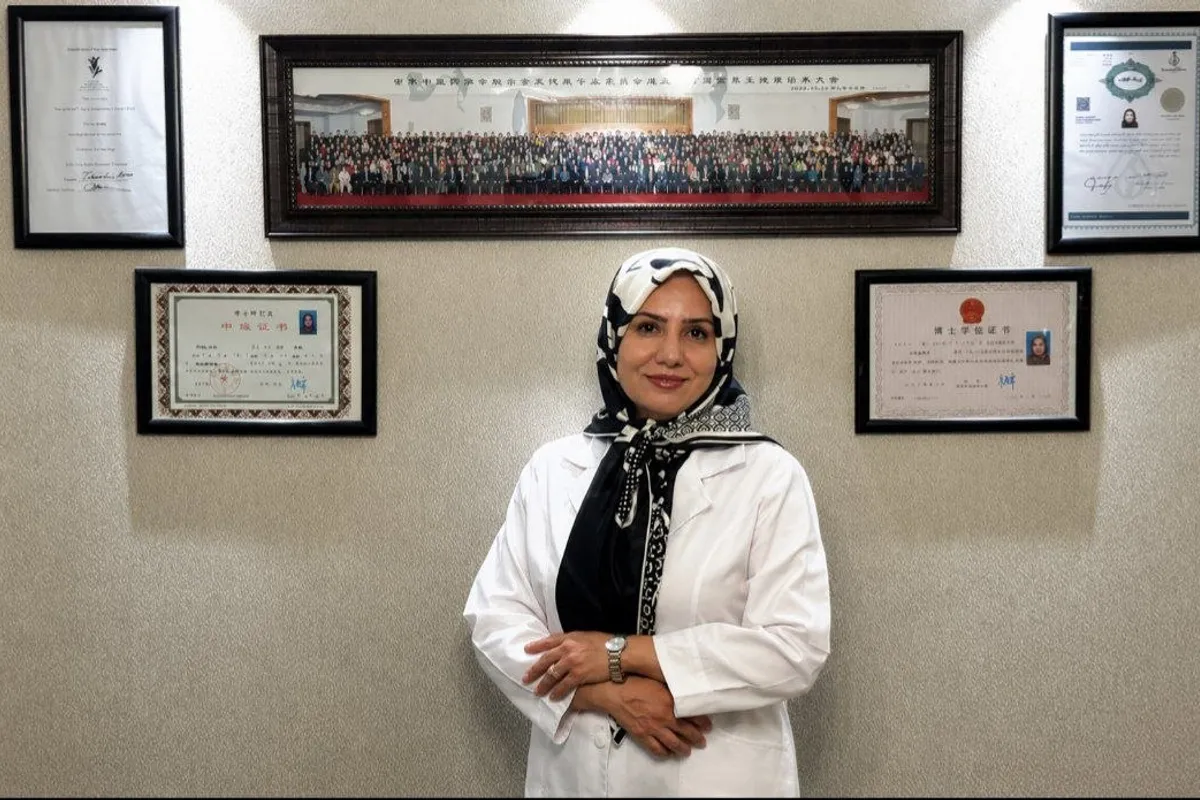
Dr. Hoda Azizi, a specialist in acupuncture and Chinese medicine, provides modern and specialized treatment services to patients by combining professional expertise with a scientific approach to complementary therapies.
She is a graduate of Beijing University of Chinese Medicine and works by combining modern medical knowledge with scientific methods of Chinese medicine to help improve chronic pain, neurological problems, digestive disorders, and patients’ quality of life.
Associate Professor at Mashhad University of Medical Sciences, combining modern medical knowledge with scientific methods of Chinese medicine to offer an innovative approach to restoring the body’s natural balance.
Focusing on the body’s natural healing capacity, reducing pain, improving the function of body systems, and enhancing patients’ quality of life.
Treatment of obesity, excess weight, and auriculotherapy for appetite reduction
Menopause, PCOS, women’s health concerns, and pregnancy-related issues
Anxiety, stress, insomnia, and neurological problems
Stroke rehabilitation, low back pain, sciatica, neck pain, and knee pain
Welcome to the official website of Dr. Hoda Azizi.
Dr. Hoda Azizi, an Associate Professor at Mashhad University of Medical Sciences, is one of the leading specialists in acupuncture and complementary medicine. By combining modern medical knowledge with scientific Chinese medicine, she offers a wide range of therapeutic services aimed at improving patients’ quality of life and restoring the body’s natural balance.
Her treatment approach is completely safe, natural, and evidence-based, focusing on harnessing the body’s natural capacity to reduce pain, restore function, and promote overall health.
Treatments at this center are based on three main principles:
Combining these principles helps patients experience not only symptom relief but also significant improvement in overall quality of life.
For specialized consultation, appointment booking, or more information about Dr. Azizi’s services, you can visit the clinic in person or contact us through available channels.
Our team is ready to provide you with dedicated care and attention to meet your health and treatment needs.
A combination of medical knowledge and natural therapy to help reduce chronic pain, calm the mind, improve sleep, and restore the body’s natural energy balance.
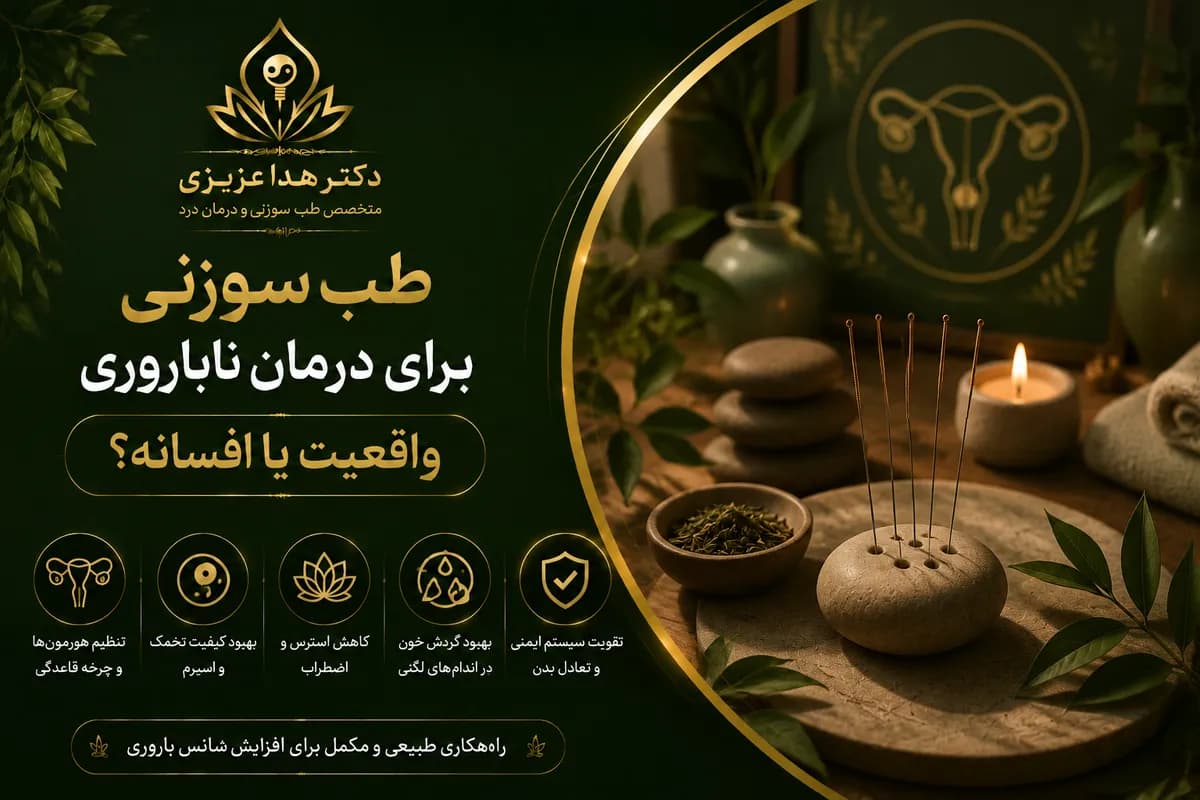
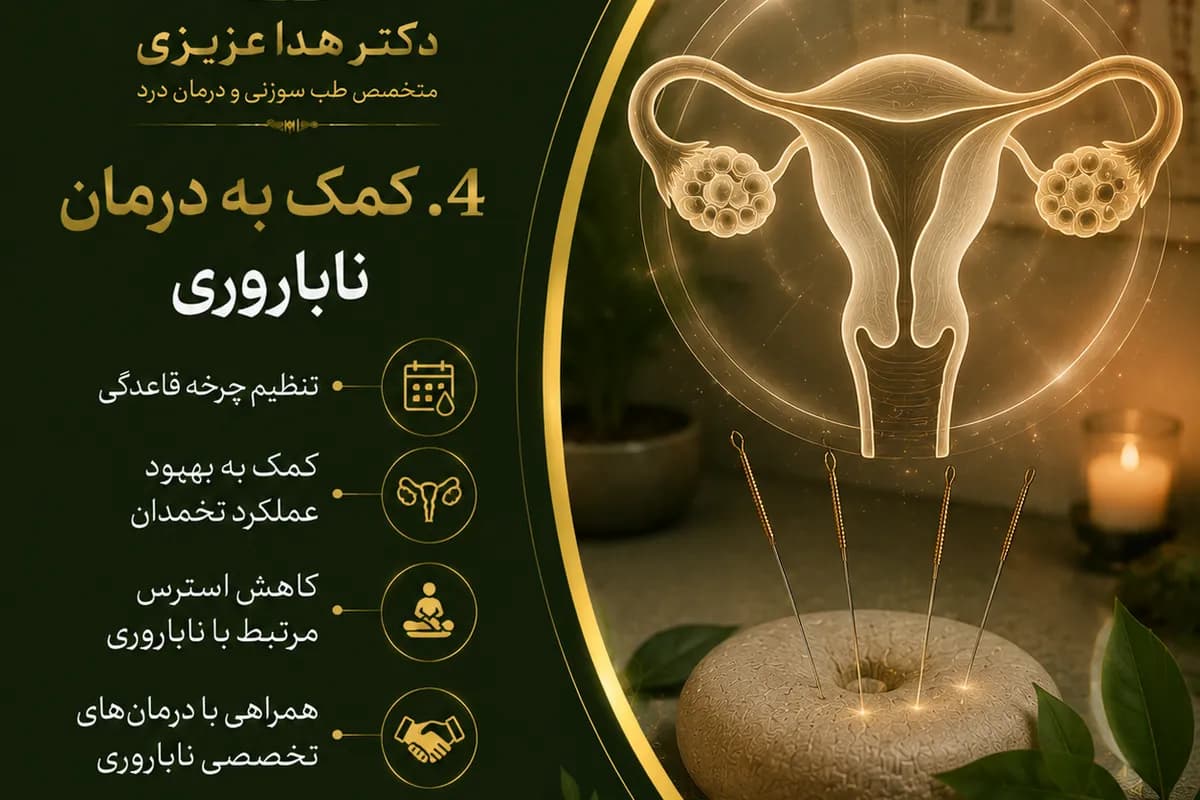
Infertility is a challenge faced by many couples, and different approaches are explored to improve the chances of pregnancy. Acupuncture is a complementary therapy that has gained attention as a supportive option alongside specialized fertility treatments. Some studies suggest that acupuncture may help reduce stress, promote relaxation, support nervous system balance, and improve blood flow in the pelvic area, which may contribute positively during fertility treatment. Some individuals also use acupuncture alongside treatments such as IVF or fertility medications. However, acupuncture alone is not considered a definitive treatment for infertility and cannot replace specialized medical fertility care. Treatment success depends on many factors, including age, hormonal health, ovarian function, sperm quality, and the underlying cause of infertility. Many patients report that acupuncture helps them feel calmer, reduce treatment-related stress, and feel more supported throughout their fertility journey. The best results are achieved when acupuncture is used under professional guidance alongside appropriate medical treatments.
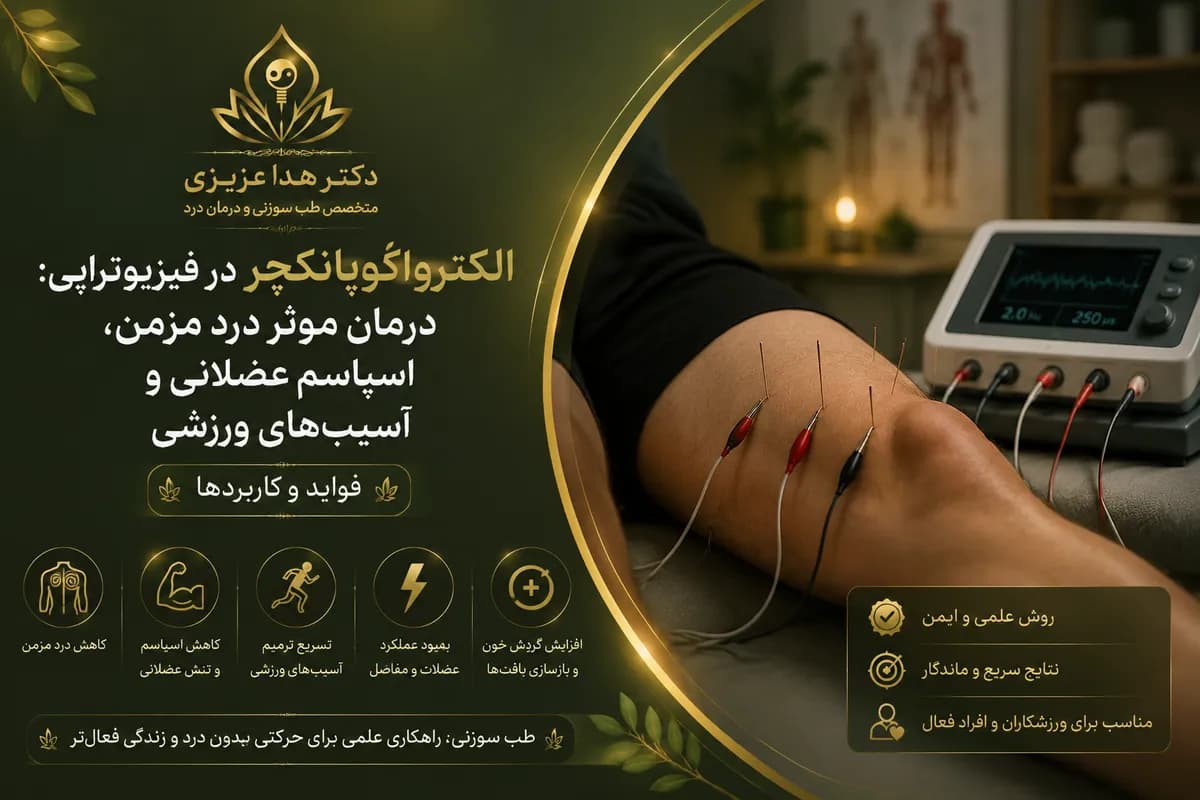
Electroacupuncture is a therapeutic technique that combines traditional acupuncture with controlled electrical stimulation. It is commonly used in physiotherapy programs to help reduce pain and improve muscle function. During the treatment, fine acupuncture needles are placed at targeted points, and a gentle electrical current is applied to enhance nerve and muscle stimulation. This method may support the management of chronic pain conditions such as back pain, neck pain, joint discomfort, muscle spasms, and certain sports-related injuries. Electroacupuncture is often combined with other physiotherapy approaches, including therapeutic exercises, manual therapy, and rehabilitation programs, to help patients improve mobility and achieve better pain control.
Stress and poor sleep are common problems that can negatively affect physical health, mental well-being, concentration, daily energy, and overall quality of life. Acupuncture is a complementary therapy that some people use to support relaxation and improve sleep patterns. During acupuncture sessions, specific points on the body are stimulated using very fine needles. This stimulation may help regulate nervous system activity, reduce physical tension, and promote a greater sense of calm and relaxation. Some individuals report lower stress levels, improved mood, and deeper sleep after treatment sessions. Acupuncture may also support better quality of life by helping the body manage stress responses and maintain balance. Combining acupuncture with healthy lifestyle habits such as regular sleep schedules, proper nutrition, and physical activity may provide additional benefits. The effects of acupuncture vary from person to person, and professional evaluation is important to determine the most suitable approach for each individual.
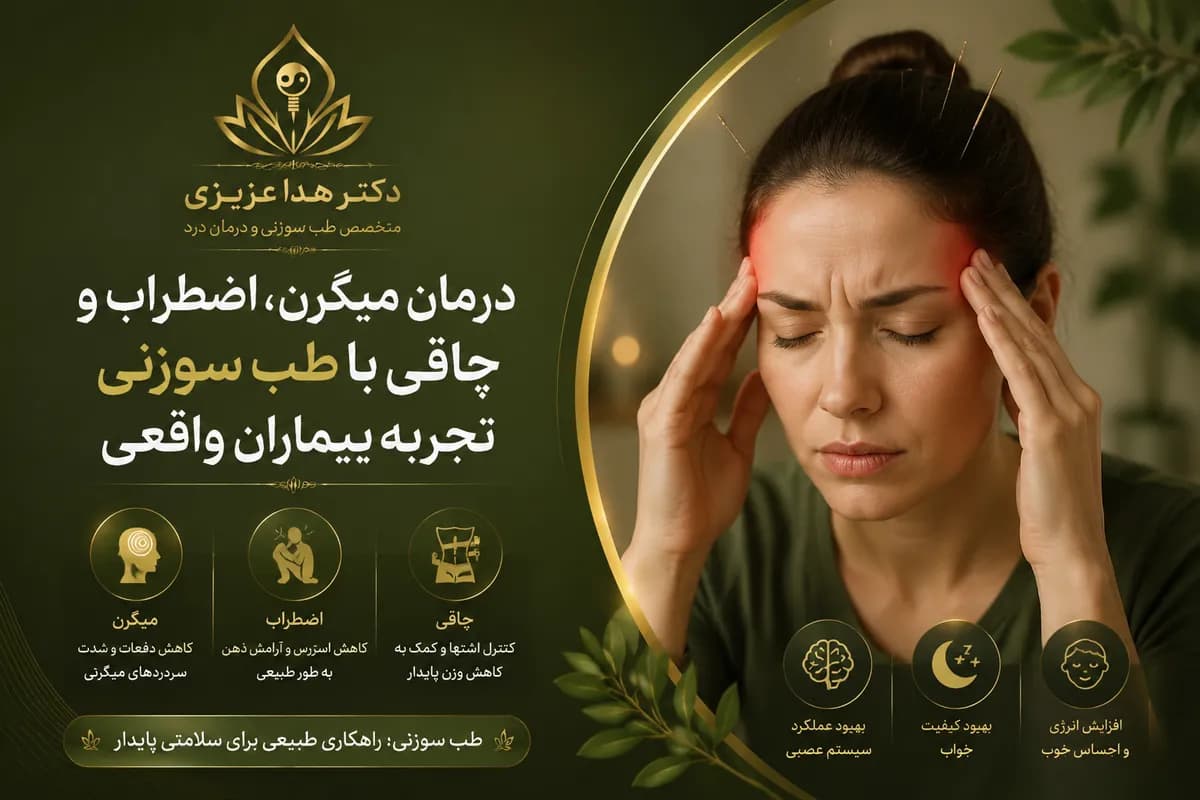
Migraines, anxiety, and weight-related challenges can significantly affect daily life, energy levels, and emotional well-being. Acupuncture is a complementary therapy that some people use to support the management of these conditions. For migraine management, stimulating specific acupuncture points with fine needles may help regulate nervous system responses, reduce muscle tension, and support the reduction of headache intensity or frequency for some individuals. Regarding anxiety, acupuncture may promote relaxation, reduce stress levels, and support nervous system balance, helping some patients feel calmer and more comfortable. Some people also use acupuncture alongside healthy nutrition and physical activity as part of a weight management plan. It may support appetite control, reduce stress-related eating patterns, and encourage healthier lifestyle changes. Many patients report experiences such as fewer migraine episodes, improved relaxation, better sleep, and a greater sense of control over their lifestyle after acupuncture sessions. However, results vary between individuals and treatment should be based on professional evaluation and personal health needs.
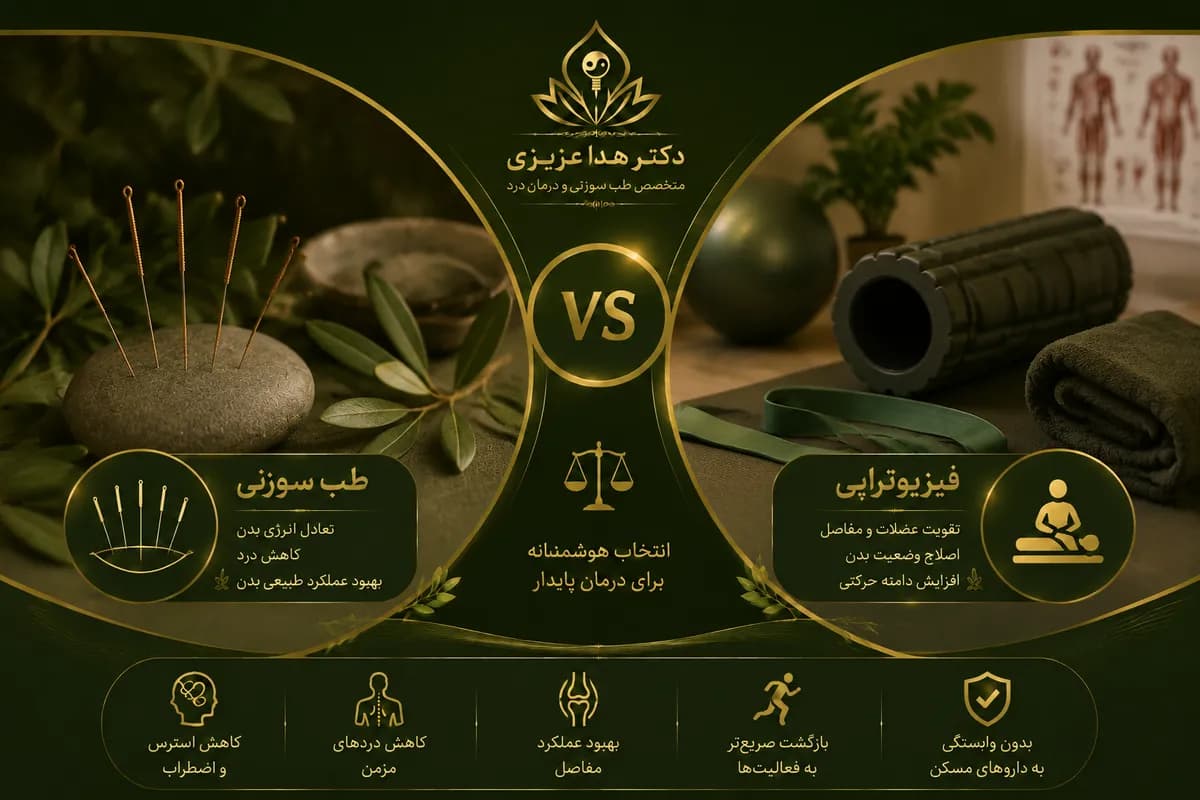
Chronic pain conditions such as back pain, neck pain, joint discomfort, and muscle injuries can significantly affect daily life. Different treatment approaches, including acupuncture and physiotherapy, are used to help manage these conditions. Each method follows a different approach to reducing pain and improving body function. How Does Acupuncture Work? Acupuncture involves stimulating specific points on the body using very fine needles. It may help regulate nervous system responses, reduce muscle tension, and promote relaxation. Many people use acupuncture as a complementary approach for conditions such as migraines, chronic pain, stress, and muscle tightness. How Does Physiotherapy Work? Physiotherapy focuses on restoring movement, strengthening muscles, and improving physical function. Treatment methods may include therapeutic exercises, manual therapy, electrotherapy, and rehabilitation techniques designed to reduce pain and improve mobility. Which Method Is Better? The choice between acupuncture and physiotherapy depends on the cause of pain, the individual’s condition, and treatment goals. In many cases, combining both approaches may provide better support, as acupuncture may help with pain control while physiotherapy focuses on restoring strength and movement. A professional assessment can help determine the most suitable treatment approach for each person.